Low flow means exactly that, two or more flushes
One Flush or Three? The Question Nobody Asks at the Open House
I've been selling homes in Chico since 1979. In that time I've walked through well over a thousand houses, and I can tell you exactly which room buyers inspect the most carefully and talk about the least.
That's right. The bathroom. More specifically, the throne.
Nobody puts "strong, confident flush" on their wish list. But ask anyone who has lived with a modern low-flow toilet and you'll hear the same quiet confession: "Sometimes it takes two. Sometimes three. Sometimes I just close the lid, walk away, and let the house think about what it's done."
So let's settle this once and for all. The old-fashioned, gallon-guzzling workhorse versus the sleek, eco-friendly sipper. One flush versus multiple flushes. Let's get to the bottom of it. So to speak.
The Old-School Heavyweight: Built Like a Buick
Let's pay respect to the classic. Toilets built before the 1980s used somewhere around 5 to 7 gallons per flush. By the '80s, the "efficient" models were still using about 3.5 gallons.
These things didn't flush. They thundered. You pushed that chrome handle and it sounded like Niagara Falls had a personal grudge against whatever was in the bowl. Thanksgiving dinner, chili night, Aunt Edna's famous casserole: didn't matter. One pull and it was gone, halfway to Sacramento before you washed your hands.
The old toilet was the Buick LeSabre of bathroom fixtures. Not pretty. Not efficient. Burned through resources like nobody's business. But it got the job done every single time, and it never once asked you for a second chance.
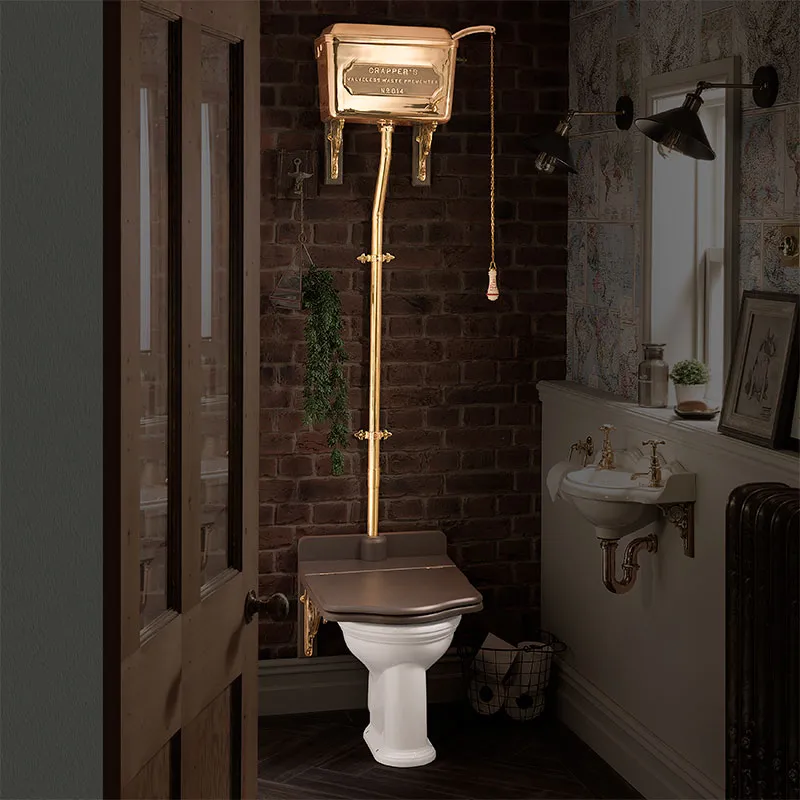
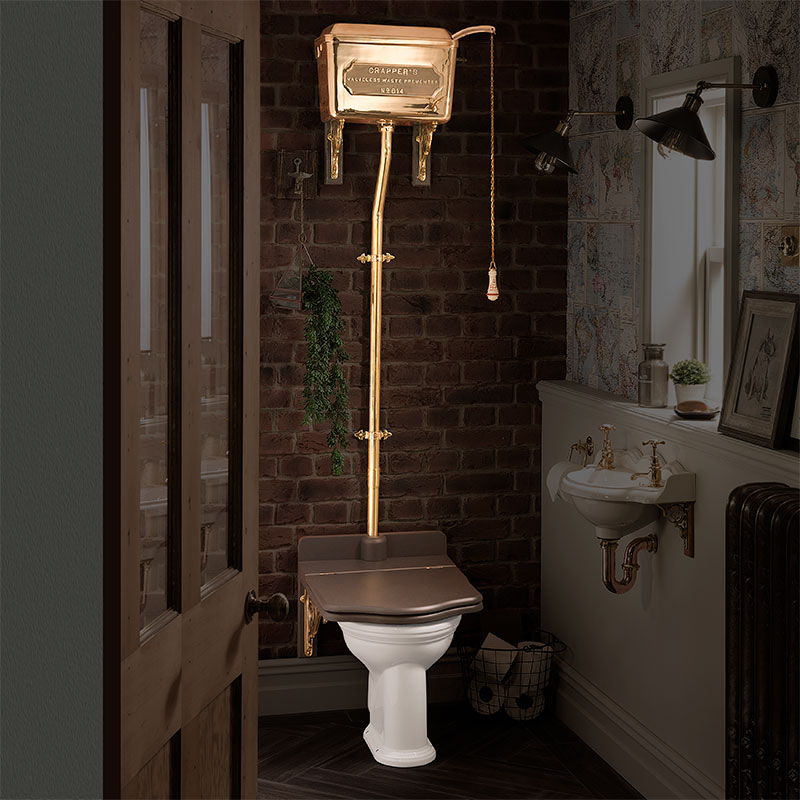
Some of the really old ones even had the tank mounted high on the wall with a pull chain. Pull that chain and you felt like you were ringing a church bell. A very important, very wet church bell.
Enter the Low-Flow: Good Intentions, Gentle Pressure
Then the government stepped in. Federal law set a 1.6-gallon limit on new toilets starting in 1994, and California went further: toilets sold here since 2014 can't use more than 1.28 gallons per flush.
Now, I'm all for saving water. This is California. We've lived through enough droughts to know the value of every drop. But the first generation of low-flow toilets in the '90s? Let's just say they were long on good intentions and short on follow-through.
You'd flush, the water would swirl around politely, and then... it would just sort of give up. Like a teenager asked to take out the trash. "I mean, I tried." Everything that went in was still there, looking up at you, waiting for a second attempt. Then a third. By the time you were done, you'd used more water than the old toilet ever did, and the plunger had become a permanent bathroom decoration.
That's the great irony of low flow. Save 2 gallons per flush, then flush three times.
The Head-to-Head Showdown
Category | Old-School Toilet | Low-Flow Toilet |
|---|---|---|
Water per flush | 3.5 to 7 gallons | 1.28 to 1.6 gallons |
Flushes needed after chili night | One. Mic drop. | "Let's discuss." |
Personality | Confident retired Marine | Nervous intern on day one |
Plunger relationship | Distant acquaintance | Best friends, holds hands |
Sound | Jet engine at takeoff | A polite cough |
Water bill | Ouch | Nice |
Legal to install new in California | Nope | Yes |
Here's the good news, and in fairness to the modern toilet, it's real good news. Today's low-flow toilets are a whole different animal from those sad '90s models. Manufacturers figured out better bowl design, wider trapways, and pressure-assisted flushing. A quality new toilet can handle a heavy load with one flush and still sip water.
The trick is not buying the cheapest one at the hardware store. Look for a WaterSense label and a high MaP rating (that's a performance test score, and yes, somebody's job is to test how much a toilet can handle). Spend a little more, and you get the best of both worlds: old-school power, new-school efficiency.
Why This Matters If You're Selling Your Chico Home
Here's where the toilet humor gets serious for a minute. If your home was built before 1994, California law (SB 407, Civil Code 1101.1–1101.8) requires older, water-hogging fixtures to be replaced with water-conserving ones. That includes any toilet that uses more than 1.6 gallons per flush. And when you sell, you have to disclose whether your home complies.
A lot of the beautiful homes I list in California Park, Bidwell Park, and around Butte Country Club were built well before 1994. Many of my clients have lived in them for 30 or 40 years. That trusty old toilet in the hall bath? It may have flushed faithfully through three presidents, two remodels, and every grandkid's birthday party. But it's probably got to go before closing.
The good news: it's an easy, inexpensive fix compared to almost anything else on an inspection report. Swap it before you list, and you've got one less thing for a buyer to negotiate over. I'd much rather we talk about your view of Bidwell Park than your plumbing.
The Final Flush
So who wins? The old-school toilet wins on raw power and nostalgia. The low-flow wins on water bills, the environment, and, well, the law. And a good modern toilet can finally do both.
My advice: honor the old workhorse for its years of loyal service. Give it a nice send-off. Maybe a moment of silence. Then replace it with a quality new model that flushes once and means it.
Because in real estate, as in plumbing, the goal is the same: one smooth, clean transaction with nothing left behind.
Thinking about selling your Chico home, downsizing, or handling a parent's estate? Give me a call. I've been helping Chico families make their next move since 1979, and I promise I'll never leave you wondering if it's going to take a second try.
Tom Hampton, Million Dollar Listings Chico
